
Insights · Hair Restoration
Non-Surgical Hair Restoration: Sorting the Evidence From the Marketing
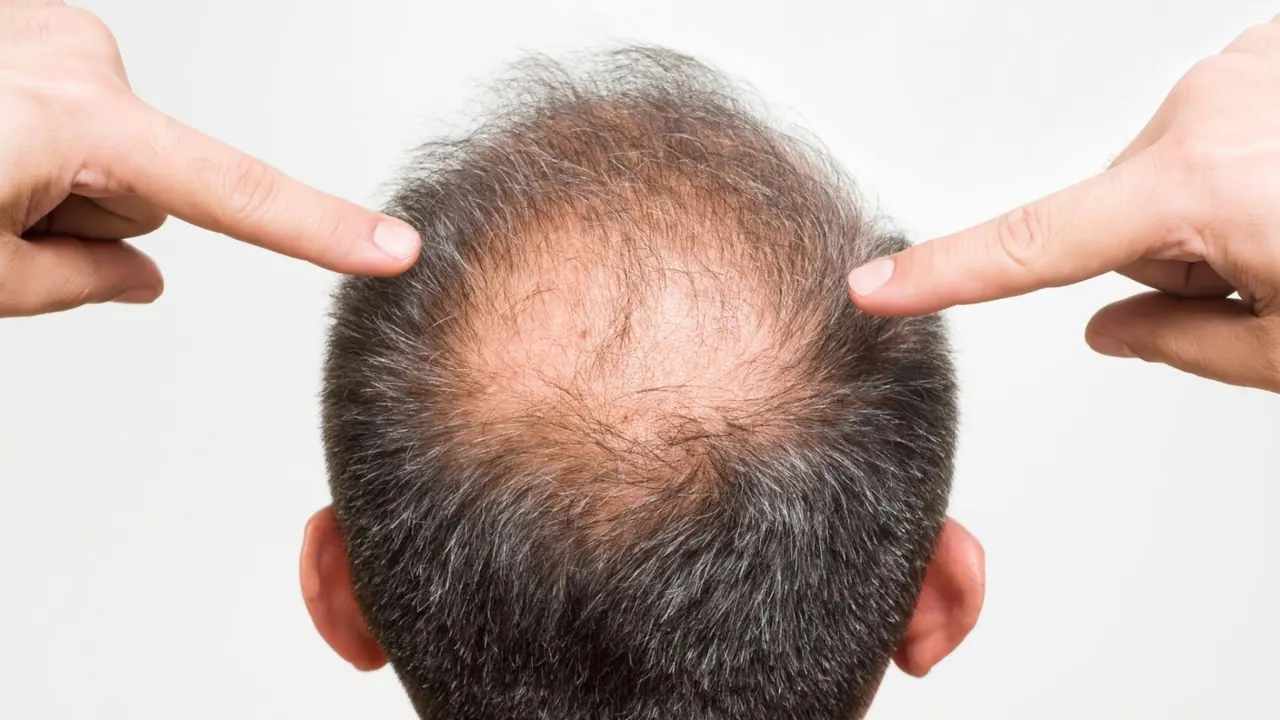
Every hair clinic's website lists roughly the same menu: minoxidil, PRP, low-level laser therapy, sometimes a prescription pill, sometimes a supplement line. What most of those pages leave out is that these options don't all rest on the same quality of evidence — and one of the most commonly prescribed among them carries a safety conversation worth having before you start.
Our hair restoration approach starts with diagnosis. Here's a rundown of the non-surgical options with real research behind them, what that research shows, and where the evidence runs thin.
Minoxidil Has the Longest Track Record
For patients comparing options, a physician-led hair loss treatment plan helps match the evidence to the cause.
Topical minoxidil is the only topical ingredient the FDA has approved specifically to regrow hair, first cleared by prescription in 1988 and available over the counter since 1996. It works for a meaningful share of users, though results plateau over time and stopping treatment typically reverses the gains.
A network meta-analysis comparing six non-surgical treatments for androgenetic alopecia found minoxidil produced hair count improvements roughly comparable to PRP and finasteride, though the review noted minoxidil also carried the highest rate of drug-related side effects among the options studied, mainly scalp irritation.
Finasteride Works — But the Safety Conversation Has Changed
Oral finasteride is FDA-approved for male pattern hair loss and works by blocking the hormone that drives follicle shrinkage. It's effective for many men. It also now carries a more serious safety conversation than it did a few years ago.
The FDA has warned health care providers and consumers about compounded topical finasteride products, which lack FDA-approved labeling and have been linked to reports of psychiatric and sexual side effects. Separately, an analysis of the FDA's own adverse event database found a consistent signal for suicidality-related reports associated with finasteride use between 2015 and 2024, most commonly among younger men using it for hair loss rather than its original indication.
None of this means finasteride is off the table. It means the conversation about it should include mental health history, not just hair count — and it's a conversation worth having directly with a physician rather than skipping through an online questionnaire.
PRP and Laser Therapy Show Promise, With Real Caveats
Platelet-rich plasma (PRP) and low-level laser therapy (LLLT) are the two treatments most often framed as "next-generation" options. Both have research behind them, and both come with an important caveat: the same network meta-analysis found the overall quality of evidence for PRP and LLLT was low, and called for larger, standardized trials — particularly for PRP, where protocols vary widely between providers.
That doesn't mean these treatments don't work. It means the field hasn't settled on a standardized protocol yet, so results can vary meaningfully depending on who's administering the treatment and how.
Microneedling Works Best as an Add-On, Not a Standalone
Microneedling creates controlled micro-injuries that appear to improve absorption of topical treatments like minoxidil. A comprehensive review of hair restoration techniques describes microneedling primarily as a way to enhance existing treatments rather than a stand-alone solution, most often paired with topical minoxidil or PRP rather than used alone.
Matching Treatment to Cause Still Comes First
None of these options work equally well for every kind of hair loss. Non-surgical treatments are built around androgenetic alopecia — the genetic, hormone-driven pattern — and won't meaningfully help hair loss caused by an iron deficiency, thyroid disease, or an active autoimmune process. The diagnosis has to come before the treatment plan, not after. Women with diffuse thinning can also read our guide to hair thinning in women.
Where This Leaves You
Minoxidil has the longest track record. Finasteride works, with a safety conversation that deserves more weight than it used to get. PRP and laser therapy show real promise, with evidence that's still maturing. None of them substitute for a proper diagnosis first. Book a consultation for an individualized plan.
Questions Worth Asking
Which non-surgical treatment works fastest?
None work quickly. Most treatments, including minoxidil and PRP, take three to six months before results are visible, since hair grows in cycles.
Can these treatments be combined?
Yes — combination approaches, like minoxidil with microneedling or minoxidil with PRP, are common in practice, though evidence for specific combinations is still developing.
Is finasteride safe to try?
It can be an appropriate option for many men, but the psychiatric side-effect profile is worth discussing directly with a physician, especially with a personal or family history of depression.
Do non-surgical treatments work for women?
Minoxidil is FDA-approved for both men and women. Finasteride is not approved for women, and PRP and laser therapy protocols may differ by sex-specific hair loss patterns.
When does a transplant make more sense than non-surgical options?
When hair loss has stabilized and density hasn't recovered with non-surgical treatment, or when the area of loss is beyond what topical or injectable treatments can meaningfully address.
Talk to a physician
Curious if you're a candidate?
Book a private consultation with Dr. Hernandez. $200 consultation deposit — credited to your treatment.
Related reading
More from our hair restoration insights
How Long Do Botox and Dermal Fillers Actually Last?
Neurotoxin and filler longevity vary by product and area treated. Here's the real range, backed by FDA data — …
Managing Type 2 Diabetes With a Family Physician: What Actually Moves the Needle
Type 2 diabetes management works best as an ongoing relationship, not disconnected visits. Here's what a Fresn…
Can Diet Really Prevent Hair Loss? What the Research Actually Shows
Diet affects hair loss mainly when there's a real deficiency. Here's what the research actually supports — and…