
Insights · Hair Restoration
Telemedicine for Primary Care: What It's Good For, and What Still Needs an In-Person Visit
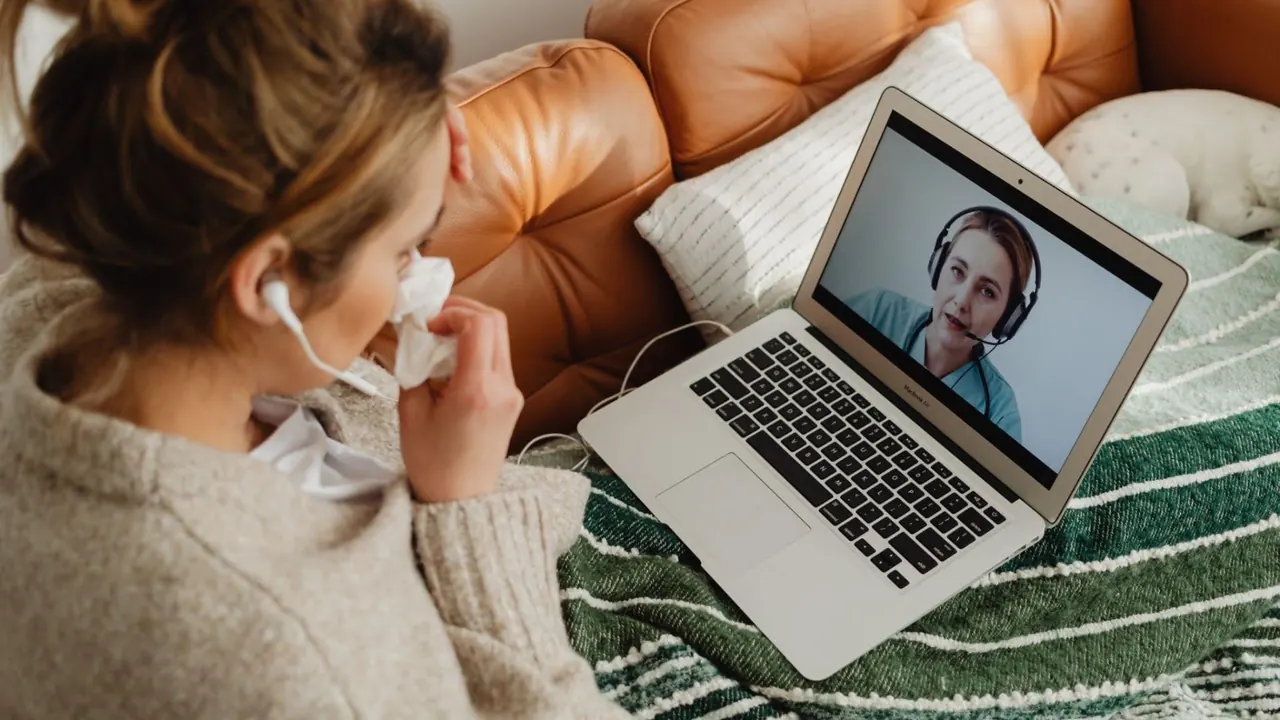
Telemedicine went from a niche option to a routine part of primary care almost overnight, and it's stayed that way. The honest version of "is telemedicine good?" isn't yes or no — it's a question of which visits it serves well, and which ones it doesn't.
Our primary care team matches the visit format to the patient. Here's what the research on telemedicine in primary care shows, in both directions.
Where the Evidence Shows Telemedicine Works Well
A 2025 systematic review of telemedicine interventions in primary health care found they were associated with improved access, reduced waiting times, and better care coordination, particularly when integrated directly into a primary care team's normal workflow rather than run as a separate, standalone service. Telemonitoring — checking in remotely on a chronic condition between visits — showed the most consistent benefit. Our guide to managing type 2 diabetes with a family physician explains how continuity supports chronic care.
A Veterans Affairs study on urinary tract infection treatment offers a concrete example: researchers found no meaningful difference in treatment failure rates between telehealth and in-person primary care visits for most patients, suggesting some common, well-defined acute issues are genuinely well-suited to a virtual visit.
Where Telemedicine Falls Short
The same UTI study found one meaningful exception: elderly patients treated over telehealth had a higher rate of treatment failure than those seen in person. That's a specific, useful data point, not a blanket statement — it suggests certain patients and certain conditions still benefit from being physically examined.
More broadly, a federal research review found that expanded telehealth access during the pandemic did not reduce disparities in health care access for disadvantaged populations, despite early hopes that it would. Telemedicine removes a travel barrier, but it doesn't solve every access problem on its own, and in some cases introduces new ones, like the need for a private space, a working device, and a reliable connection.
What Telemedicine Isn't a Substitute For
The federal government's own guidance on telehealth is direct about this: telehealth may not be right for every condition, and some care simply requires being seen in person. Anything requiring a hands-on physical exam, in-office testing, or a procedure obviously falls outside what a video visit can do — but the harder judgment calls are the borderline cases, like a new or ambiguous symptom, where an in-person exam catches something a description over video might miss.
Matching the Visit Format to the Visit Type
The most useful framing isn't "telemedicine or in-person" as competing options — it's matching the visit type to the format. Medication follow-ups, chronic disease check-ins between labs, and certain well-defined acute issues tend to translate well to a virtual visit. New patient exams, anything requiring a physical exam finding, and less clear-cut symptoms are usually better served in person.
That's also why a new patient's first visit is typically in person regardless of how the practice uses telemedicine afterward — establishing a baseline exam and relationship matters before virtual visits can be used well.
The Right Tool for the Visit, Not Every Visit
Telemedicine is genuinely useful for the right kind of visit, and genuinely insufficient for others. The point isn't picking a side — it's knowing which visits belong where, and having a primary care practice that makes that call with you rather than defaulting to whichever is more convenient to schedule. Contact our team to choose the right visit type.
Quick FAQ
Can I get a diagnosis through a telemedicine visit?
For some conditions, yes — but anything requiring a physical exam finding or in-office test typically needs an in-person visit to confirm.
Is telemedicine covered by insurance the same way as in-person visits?
Coverage varies by plan and by visit type; it's worth confirming with your insurer or your practice's billing staff before scheduling.
Do new patients start with telemedicine or an in-person visit?
Most primary care practices, including ours, see new patients in person first to establish a full history and baseline exam.
Is telemedicine less accurate for chronic disease management?
Not necessarily — telemonitoring for chronic conditions has shown consistent benefit in research, particularly between in-person visits.
What if I'm not sure whether my issue needs a video visit or an in-person one?
Call the office. Staff can typically help match your specific concern to the right visit type before you schedule.
Talk to a physician
Curious if you're a candidate?
Book a private consultation with Dr. Hernandez. $200 consultation deposit — credited to your treatment.
Related reading
More from our hair restoration insights
The Annual Physical Exam: What the Evidence Says It's Good For
Most people assume a full annual physical catches everything. The research says something more specific — here…
Non-Surgical Hair Restoration: Sorting the Evidence From the Marketing
Minoxidil, PRP, laser therapy, finasteride — non-surgical hair restoration options don't all rest on the same …
How Long Do Botox and Dermal Fillers Actually Last?
Neurotoxin and filler longevity vary by product and area treated. Here's the real range, backed by FDA data — …