
Insights · Hair Restoration
Hair Thinning in Women: Causes and Treatment Options
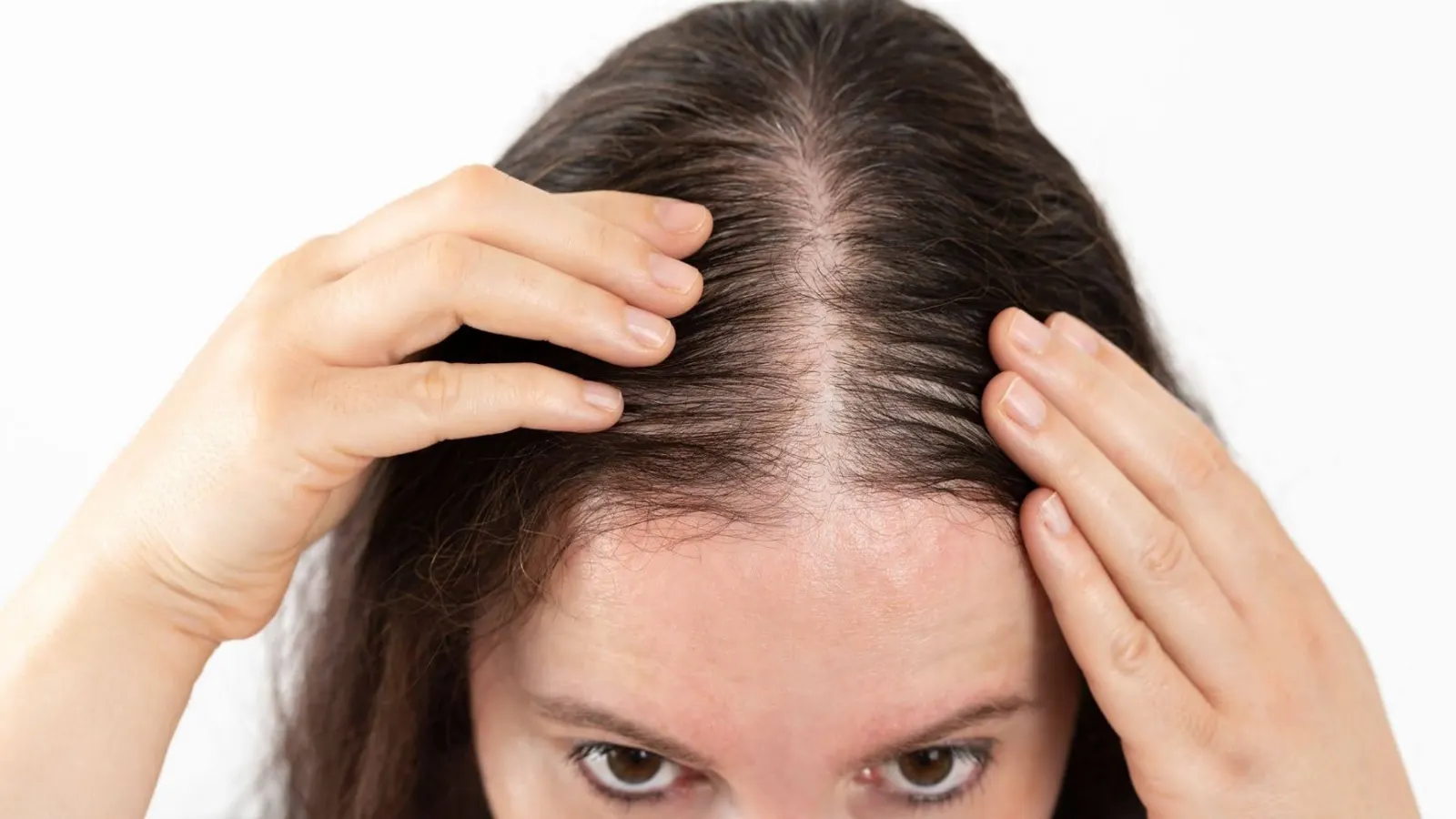
If you're a woman noticing more hair in the shower drain or a wider part than you remember, the internet has probably already told you it's female pattern baldness. That's often wrong. Hair thinning in women has several distinct causes, and the condition search engines default to — androgenetic alopecia — is only one of them.
Getting the cause right matters more than getting a treatment started quickly. Minoxidil helps female pattern hair loss but does nothing for an iron deficiency. A supplement won't fix a thyroid problem. The wrong first move can mean months spent on a routine that was never going to work.
This guide walks through the most common causes of hair thinning in women, how a physician actually narrows down which one applies, and which treatments match which cause.
Female Pattern Hair Loss Looks Different Than Male Pattern Baldness
Female pattern hair loss, also called androgenetic alopecia, is the most common cause of hair loss in women, according to the American Academy of Dermatology. But it doesn't look like the male version.
Unlike male pattern baldness, which typically starts as a receding hairline, female pattern hair loss usually shows up as diffuse thinning across the crown and a gradually widening center part, while the frontal hairline stays largely intact. It's driven by genetics and hormones, and it tends to progress slowly over years rather than showing up suddenly.
This distinction matters at the first sign of thinning: a receding hairline in a woman is unusual enough that it's worth ruling out other causes before assuming it's the common pattern.
Sudden, Diffuse Shedding Points to Telogen Effluvium, Not Baldness
If your hair loss came on fast — noticeably more hair on your pillow or in the brush over a few weeks — the more likely diagnosis is telogen effluvium, not female pattern hair loss. Telogen effluvium happens when a stressor pushes a large share of scalp hair from its growth phase into its resting phase at once. NIH's clinical reference describes common triggers including major surgery, childbirth, high fever, and crash dieting, with shedding typically starting six to twelve weeks after the triggering event.
The good news: telogen effluvium is usually temporary. Once the underlying stressor resolves, hair typically returns to its normal density within six to nine months, though the timeline varies by person and by cause.
Iron and Thyroid Are the Two Most Overlooked Causes
Two of the most overlooked, most fixable causes of hair thinning in women are iron deficiency and thyroid dysfunction. Low ferritin — the stored form of iron — has been linked to telogen effluvium across multiple clinical studies, including in women whose hemoglobin looks normal on a standard blood count.
Thyroid disease works similarly. Both an underactive and an overactive thyroid can push hair into a shedding pattern that looks identical to stress-related telogen effluvium on the surface, but it only resolves once thyroid hormone levels are corrected.
Neither of these causes is something a topical treatment or a hair vitamin will fix. They require blood work, interpreted correctly.
Diagnosis Starts With History, Not a Scalp Exam
A hair thinning evaluation starts with history, not a scalp inspection: when the shedding started, how it's distributed, recent illnesses or major life events, medications, and family history of hair loss all point toward one cause over another.
Lab work typically follows the same checklist clinicians use for diffuse hair loss: ferritin and iron studies, a complete blood count, and thyroid-stimulating hormone at minimum. A scalp exam helps confirm whether the pattern fits diffuse thinning, a widening part, or something else — like a patchy autoimmune process that calls for a different approach entirely.
Treatment Follows the Cause, Not the Symptom
Once the cause is clear, treatment gets more specific:
- Female pattern hair loss: Topical minoxidil is the most consistently recommended first-line treatment, and it works best started early, before significant thinning has occurred.
- Iron or thyroid-related shedding: Correcting the underlying deficiency is the treatment. Regrowth typically lags the lab correction by a few months, since the follicle cycle takes time to reset.
- Telogen effluvium from stress or a life event: Time, and resolving the trigger, in most cases. Confirming the cause mainly matters so you're not chasing a diagnosis that doesn't apply.
- Non-surgical restoration: For women who want to actively support regrowth alongside treating the underlying cause, options like low-level laser therapy and PRP can complement a medical plan.
- Surgical restoration: Once a cause has stabilized and density hasn't recovered on its own, FUE hair transplant is an option for some women, evaluated case-by-case given the diffuse nature of most female hair loss.
Get the Diagnosis Before the Treatment Plan
Hair thinning in women is common, and it's rarely one single thing. The fastest path to an actual fix is a proper diagnosis before a treatment plan — not the other way around. Book a consultation with our team to start with the diagnosis.
Frequently Asked Questions
Is hair thinning in women always genetic?
No. Female pattern hair loss is genetic, but telogen effluvium, iron deficiency, and thyroid disease are common non-genetic causes that require different treatment.
Can stress really cause noticeable hair loss?
Yes. Significant physical or emotional stress can trigger telogen effluvium, with shedding typically appearing six to twelve weeks after the stressor.
Do hair growth vitamins work?
Only if there's a documented deficiency. Supplementing a nutrient you're not actually low in generally doesn't improve hair growth.
How long before treatment shows results?
Most treatments, from minoxidil to correcting a deficiency, take three to six months to show visible improvement, since hair growth happens in cycles.
When should I see a doctor instead of waiting it out?
If shedding is sudden, patchy, or comes with other symptoms like fatigue or irregular periods, it's worth a visit rather than waiting — some causes are easier to treat early.
Talk to a physician
Curious if you're a candidate?
Book a private consultation with Dr. Hernandez. $200 consultation deposit — credited to your treatment.
Related reading
More from our hair restoration insights
The Annual Physical Exam: What the Evidence Says It's Good For
Most people assume a full annual physical catches everything. The research says something more specific — here…
Non-Surgical Hair Restoration: Sorting the Evidence From the Marketing
Minoxidil, PRP, laser therapy, finasteride — non-surgical hair restoration options don't all rest on the same …
How Long Do Botox and Dermal Fillers Actually Last?
Neurotoxin and filler longevity vary by product and area treated. Here's the real range, backed by FDA data — …