
Insights · Hair Restoration
Biostimulators Explained: Why Sculptra Results Build Over Months, Not Days
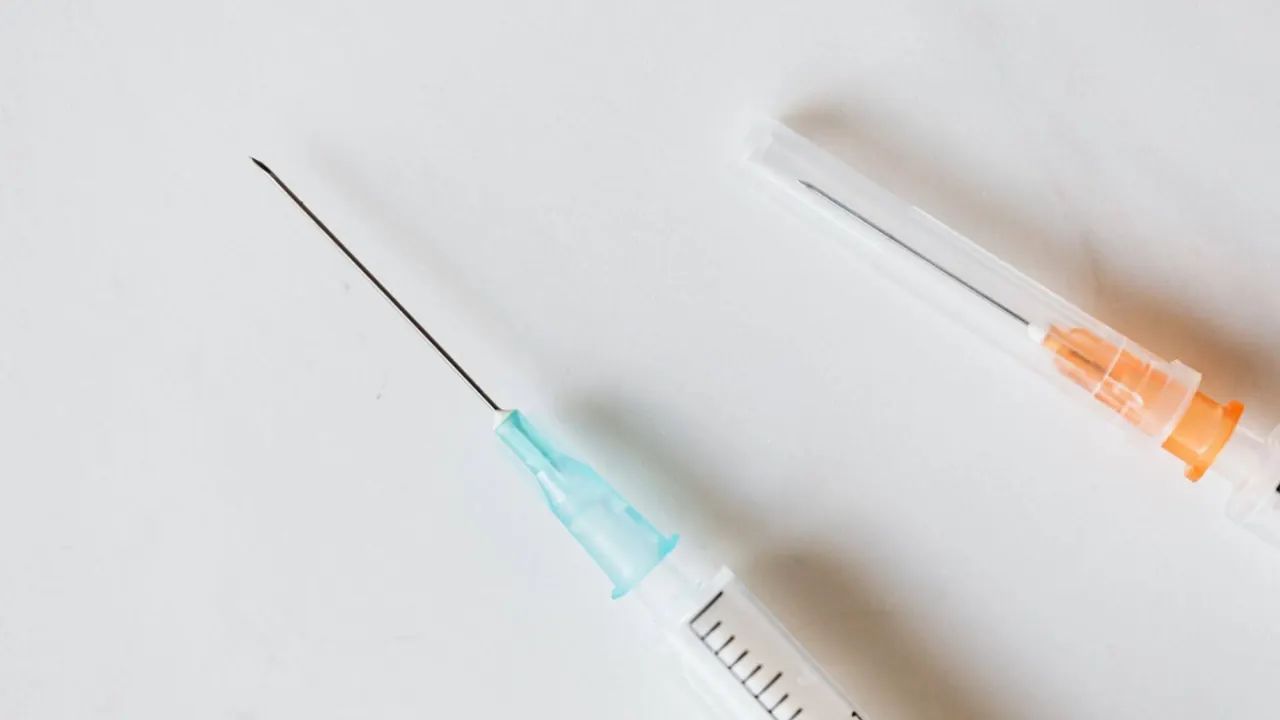
A hyaluronic acid filler shows its result the day you leave the office. A biostimulator like Sculptra shows almost nothing on day one, and that's normal — it isn't working yet in the way patients often expect.
As part of a personalized aesthetics plan, understanding why the timeline looks so different changes how realistic your expectations should be going in, and why patience is part of how the treatment is supposed to work, not a drawback of it.
What Makes a Biostimulator Different From a Filler
Hyaluronic acid fillers work by physically occupying space under the skin — they add volume directly, which is why the effect is visible almost immediately. Poly-L-lactic acid (PLLA), marketed as Sculptra, works through an entirely different mechanism: it prompts your own skin to gradually build new collagen over months, rather than adding volume itself. This distinction is central to a thoughtful facial harmonization plan.
That mechanism is also why the two products aren't reversible in the same way. Hyaluronic acid can be dissolved with an enzyme if a correction is needed. PLLA can't be dissolved — it has to break down naturally on its own timeline, which is part of why technique and dosing matter more with a biostimulator than with a filler.
The FDA Approval Timeline Tells You Something Useful
Sculptra's FDA approval history started in 2004 for restoring facial volume lost to HIV-related lipoatrophy, and expanded in 2009 to cosmetic use for nasolabial folds and other facial wrinkles in healthy patients. That's two decades of tracked use in a product that's still being studied and refined today.
One detail from that history matters for how the product is used now: the original protocol required reconstituting the product 72 hours before injection. In 2021, the manufacturer authorized immediate reconstitution instead, and a multicenter retrospective study evaluating that change found comparable safety outcomes with the newer approach — a meaningful, evidence-backed shift in how the treatment is delivered, not a shortcut.
How the Results Timeline Unfolds
Because Sculptra works by stimulating collagen rather than adding volume directly, the visible result builds in stages rather than appearing all at once. Most patients don't see meaningful change until roughly six to twelve weeks after a session, with the fuller effect typically assessed around the three-to-six-month mark. The pivotal clinical data behind Sculptra's cosmetic approval tracked patients for an extended period after their final session and found correction was still measurable at approximately 25 months — notably longer than most hyaluronic acid fillers.
That long runway is also why most treatment plans involve multiple sessions spaced weeks apart rather than a single visit: each session builds on the collagen response from the last one, rather than delivering the full result at once.
Technique Affects Both Safety and Outcome
Because PLLA can't be dissolved once injected, avoiding overcorrection matters more here than with a reversible filler. Nodules and lumps are a recognized, if uncommon, complication, and they're managed conservatively — massage, time, or in some cases a targeted injection — because the timeline for resolving them is as slow as the timeline for building the original result.
This is part of why technique and injector experience carry more weight with a biostimulator than with a standard filler: mistakes are harder to correct quickly, precisely because the product is built to work slowly.
Who's a Reasonable Candidate
Biostimulators tend to suit patients looking for gradual, natural-looking volume restoration rather than an immediate, dramatic change, and who are comfortable with a multi-session treatment plan and a result that keeps developing for months afterward. Patients wanting to see the full result before an event in the next few weeks are usually better matched to a hyaluronic acid filler instead, given the different timelines involved. For comparison, read how long Botox and dermal fillers actually last.
Patience Is Part of the Treatment
A biostimulator isn't a slower version of a filler — it's a different mechanism with a different, longer timeline, and that timeline is the point, not a drawback. Knowing that going in is what makes the results feel like they're working as intended, instead of feeling like nothing happened. Schedule an appointment to discuss whether it fits your goals.
A Few Common Questions
Why don't I see results right after a Sculptra session?
Because it works by stimulating your own collagen production, which takes weeks to become visible, rather than adding volume directly like a filler does.
How many sessions does a typical treatment plan involve?
Most protocols involve multiple sessions spaced several weeks apart, since each builds on the collagen response from the previous one.
Can Sculptra be reversed if I don't like the result?
Not in the way a hyaluronic acid filler can. That's part of why a conservative approach and an experienced injector matter more with this treatment.
How long do biostimulator results actually last?
Clinical trial data has tracked measurable correction out to roughly two years after the last treatment session, longer than most hyaluronic acid fillers.
Is a biostimulator a good option before a wedding or major event?
Usually not on its own, given the multi-month timeline. A hyaluronic acid filler is typically a better match for a result needed on a shorter timeline.
Talk to a physician
Curious if you're a candidate?
Book a private consultation with Dr. Hernandez. $200 consultation deposit — credited to your treatment.
Related reading
More from our hair restoration insights
Telemedicine for Primary Care: What It's Good For, and What Still Needs an In-Person Visit
Telemedicine works well for some primary care visits and falls short for others. Here's what the research says…
The Annual Physical Exam: What the Evidence Says It's Good For
Most people assume a full annual physical catches everything. The research says something more specific — here…
Non-Surgical Hair Restoration: Sorting the Evidence From the Marketing
Minoxidil, PRP, laser therapy, finasteride — non-surgical hair restoration options don't all rest on the same …