
Insights · Hair Restoration
Hair Transplant Cost 2025: Surgery Prices, Grafts & Savings | Central Valley CA
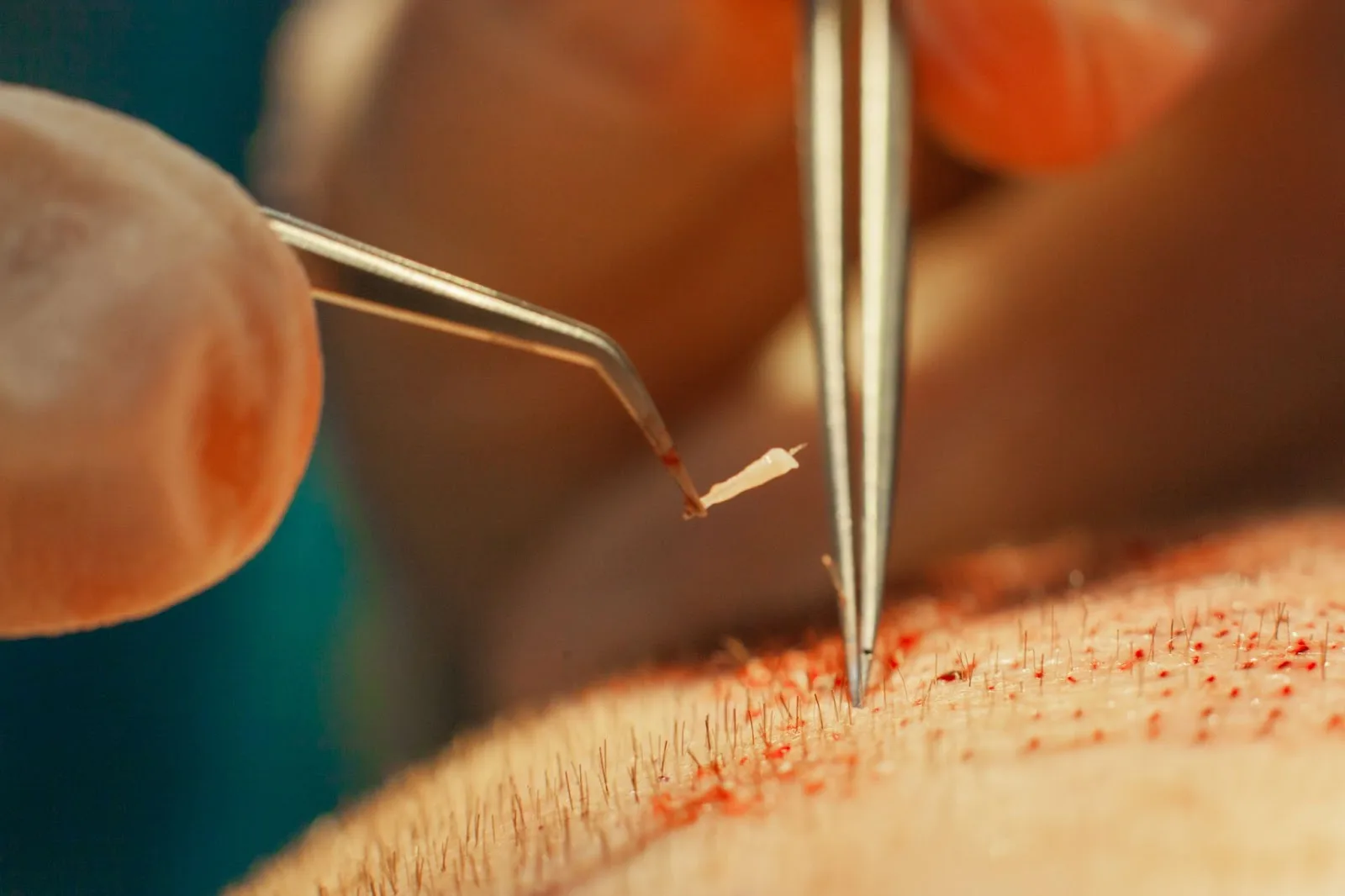
For most patients, cost is the first consideration when researching hair transplant surgery. In the United States, hair transplants typically range from $1 to $8 per graft globally depending on graft count, technique, and location.
In California’s Central Valley, including Fresno, Bakersfield, and Stockton, pricing is often lower. Most comprehensive procedures fall between $6,000 and $12,000, offering meaningful savings compared to coastal cities while maintaining modern techniques and medical standards.
This guide explains how hair transplant pricing works, what affects cost, and how to evaluate long-term value.
Understanding Hair Transplant Basics: Types and Techniques
Before we dive deep into costs, let’s make sure we’re all speaking the same language. Not all hair transplants are created equal, and the technique your surgeon uses will significantly impact both your results and your investment.
FUE (Follicular Unit Extraction)
The most common modern technique. Individual follicles are extracted and transplanted for natural results, minimal scarring, and faster recovery. Downtime is usually 7 to 10 days. Graft survival averages 90 to 95%.
FUT (Follicular Unit Transplantation)
A strip of scalp is removed from the donor area. It allows large graft numbers at a lower cost but leaves a linear scar. Recovery takes about 10 to 14 days. Survival rates can reach 95 to 98%.
DHI (Direct Hair Implantation)
A variation of FUE using a specialized implantation tool. It allows precise density control, often used for hairlines. Recovery and survival rates are similar to FUE, but costs are higher.
At Inside Out Medical Center, we focus on FUE because it offers the best balance of results, recovery, and patient satisfaction.
Average Hair Transplant Prices Breakdown
Cost structure and pricing analysis. Understanding how hair transplants are priced will help you evaluate quotes and know if you’re getting a fair deal.
Hair Transplant Cost Per Graft
Nationally, hair transplants cost $3 to $8 per graft. In the Central Valley, pricing is typically $4 to $7 per graft, lower than in Los Angeles or San Francisco.
Estimated totals:
- 1,000 grafts: $4,000 to $7,000
- 2,000 grafts: $8,000 to $14,000
- 3,000 grafts: $12,000 to $21,000
More grafts provide greater coverage and density, but the right number depends on your hair loss pattern and goals.
Hair Transplant Cost by Location
Geography plays a major role in your final bill. Major metropolitan areas come with major price tags. Here’s how much hair transplants cost in different US states.
| States | Average Cost |
| Arizona | $4,000 to $15,000 |
| California | $4,000 to $20,000 |
| Connecticut | $7,000 to $13,000 |
| Florida | $4,000 to $16,000 |
| Georgia | $4,000 to $20,000 |
| New Jersey | $4,000 to $15,000 |
| Pennsylvania | $8,000 to $16,000 |
| Texas | $4,000 to $15,000 |
| Illinois | $6,000 to $10,000 |
| Maryland | $4,000 to $10,000 |
| New York | $4,000 to $15,000 |
| North Carolina | $8,000 to $18,000 |
| Ohio | $4,000 to $20,000 |
| Oregon | $6,000 to $14,000 |
| Utah | $7,000 to $16,000 |
Source: https://www.credee.com/how-much-does-a-hair-transplant-cost/
Additional Costs to Consider
- Consultation: $200 to $500 (often credited or waived)
- Pre-procedure medications: $50 to $150
- Post-procedure care: $100 to $300
- PRP therapy (optional): $500 to $1,500
- Financing: CareCredit and similar options are commonly available
Inside Out Medical Center offers complimentary consultations for qualifying patients.
Factors Influencing Hair Transplant Price
Not every hair transplant costs the same, even at the same clinic. Here’s what drives the price variations you’ll encounter:
1. Number of Grafts Needed
This is the primary cost driver. The extent of hair loss, often assessed using the Norwood Scale for men or the Ludwig Scale for women, determines graft count. A mild recession may require about 1,200 grafts, while extensive crown loss can require 3,500 or more.
2. Surgeon Expertise and Credentials
Board-certified surgeons with focused training in hair restoration and ISHRS membership typically charge more. Their experience leads to higher graft survival, more natural hairlines, and lower complication risk. Choosing based on price alone increases the risk of poor results.
3. Technology and Technique
Advanced methods such as robotic-assisted FUE can increase costs by 15 to 20 percent due to added precision and efficiency. Clinics that invest in newer technology often deliver more consistent outcomes.
4. Clinic Location and Overhead
Clinics in high-rent areas face higher expenses, which are passed on to patients. Facilities in cities like Fresno operate with lower overhead while maintaining modern equipment and clinical standards.
5. Geographic Market Dynamics
Pricing reflects local economic conditions. The Central Valley’s lower cost of living allows clinics to offer competitive pricing without reducing quality.
2025 Technology Trends: Emerging technologies, including AI-assisted graft analysis and surgical planning tools, are increasingly being explored in hair restoration. These tools may help improve efficiency and planning accuracy in some clinics, which can contribute to more consistent outcomes and potentially lower operational costs over time.
What Do 2,000 or 3,000 Hair Grafts Look Like? Real Results
Translating graft counts into visual outcomes. Let’s talk about realistic expectations.
2,000 Grafts: The Natural Hairline Restoration
Two thousand grafts works well for moderate hair loss. It can:
- Restore a natural, age-appropriate hairline
- Improve density in thinning frontal or crown areas
- Correct a receding hairline with balanced coverage
- Create visible improvement without looking overdone
Patients often say the result looks like themselves again, not like they had surgery. Success depends on precise placement in areas that affect appearance the most.
3,000 Grafts: Comprehensive Restoration
Three thousand grafts is suited for more advanced hair loss. It can:
- Address thinning across multiple scalp areas
- Combine hairline and crown restoration
- Increase overall density throughout the scalp
- Deliver a more dramatic change in one procedure
The difference between 2,000 and 3,000 grafts is often the shift from noticeable improvement to full restoration. Adequate donor hair is essential to achieve this safely.
Setting Realistic Expectations
Hair transplant results develop gradually. Transplanted hair typically sheds within two to four weeks. New growth begins around months three to four. By month six, about 60 percent of results are visible. Final results appear between 12 and 15 months.
Transplanted follicles are resistant to DHT, the hormone responsible for pattern hair loss. With proper care, results commonly last 10 to 20 years or longer, and often for life.
How Long Do Hair Transplants Last? Longevity and Maintenance
Let’s address one of the most common questions we hear: “Is this permanent, or will I need to do it again?”
The Science of Permanence
About 95 percent of transplanted follicles are permanent. These hairs come from the back and sides of the scalp, areas that are naturally resistant to DHT, the hormone that causes pattern hair loss.
In practical terms:
- Transplanted hair continues growing long-term.
- It does not follow the original balding pattern
- Results commonly last 10 to 20 years or longer, often for life
- Most patients view the procedure as a one-time investment
Ongoing Maintenance
A hair transplant does not stop untreated hair from thinning. If hair loss is still active, surrounding areas may continue to lose density.
To maintain overall results, many patients spend $500 to $800 per year on optional maintenance:
- Minoxidil: $30 to $50 per month to support native hair
- Finasteride: $20 to $80 per month to reduce DHT-related loss
- PRP therapy (optional): $500 to $1,500 per session
- Medicated shampoos: $20 to $40 per month
Maintenance plans vary. Not every patient needs every option.
Myth Busting
Let’s clear up some misconceptions:
Myth: Transplanted hair falls out after a few years
Reality: Transplanted follicles are permanent. Any hair loss after surgery usually comes from untreated native hair, not the transplanted grafts.
Myth: Hair transplant surgery must be repeated every few years
Reality: Most patients need only one procedure. Additional sessions are optional and typically only considered if natural hair loss continues in untreated areas.
Myth: Hair transplants do not work for most people
Reality: When performed by experienced surgeons using modern techniques, hair transplants often demonstrate high graft survival rates, commonly reported in the 90 percent range in clinical literature. Individual results may vary based on technique, surgeon experience, and patient factors.
Hair Transplant Costs in Central Valley, CA vs. USA Averages
Hair transplant pricing varies widely by region, and Central Valley patients typically pay far less than those in major metro areas. Regional cost advantages in Central California.
Cost Comparison for a 2,500-Graft FUE Procedure
The following estimates show how Central Valley pricing compares with national and coastal providers:
- Central Valley (Inside Out Medical Center): about $8,750, free consultation, no travel required
- Bosley (national chain): about $12,500, travel often required
- Hair Club (Houston): about $11,000, travel required
- San Francisco clinics: about $14,000; consultation fees often apply
Typical Central Valley savings: $2,250 to $5,250, or 20 to 40 percent.
What You Still Get at a Lower Cost:
Lower pricing does not mean reduced care or outcomes. Patients still receive:
- Board-certified surgeons
- Modern FUE technology
- Personalized treatment plans
- Local follow-up care
Why Central Valley Pricing Is Lower
Several structural factors allow clinics to charge less while maintaining quality:
- Lower operating costs such as rent and staffing
- No luxury branding or national advertising expenses
- Pricing aligned with local cost of living
Real Patient Example:
Maria from Bakersfield was quoted $13,800 by a Los Angeles clinic for 2,200 grafts. After consulting with Inside Out Medical Center, she paid $8,400 for her procedure—saving $5,400. She used those savings to take her family on a vacation to celebrate her new confidence. The quality? Exceptional. The convenience? She drove home the same day instead of booking LA hotels.
Is a Hair Transplant Worth the Cost?
When evaluating value, it helps to look beyond the upfront price and consider long-term use.
Long-Term Cost Breakdown
Spreading the cost over many years puts pricing into perspective:
- A $9,000 transplant over 20 years equals about $450 per year
Comparison With Non-Surgical Options
Many non-surgical solutions cost more over time:
- Hairpieces: $1,200 to $3,000 per year
- Concealers and fibers: $300 to $600 per year
Clinical Outcome Data
Modern hair restoration delivers consistent, measurable results:
- 90 to 95 percent graft survival with FUE
- High patient satisfaction at one year
- Low complication rates at accredited clinics
Top Tips to Lower Your Hair Planting Cost
Smart consumers find ways to get maximum value. Here’s how to make your hair restoration more affordable without compromising results:
1. Time Your Procedure Strategically
Some clinics offer promotional pricing during slower scheduling periods, often in early spring or fall. While savings vary by provider and availability, scheduling flexibility may help reduce overall treatment costs for some patients.
2. Ask About Package Deals
Some patients combine hair restoration with other treatments (PRP therapy, scalp micropigmentation touch-ups) for bundled savings. Ask your consultant about package pricing—it never hurts to ask.
3. Consider Multi-Session Discounts
If you’re planning staged restoration over multiple sessions, many surgeons offer discounted rates for committing to a treatment plan upfront. This works particularly well for younger patients addressing progressive hair loss.
4. Leverage Central Valley Providers
As previously noted, having your procedure done in Fresno, Bakersfield, or Stockton instead of traveling to LA or the Bay Area can save you thousands. Plus, you avoid travel and lodging expenses.
5. Explore Healthcare Financing
CareCredit offers 6-24 month promotional financing with 0% interest. Medical credit cards often have introductory rates specifically for healthcare procedures. Ask if your clinic offers in-house payment arrangements. If your hair loss is due to medical conditions, you may be able to use tax-advantaged FSA/HSA accounts.
6. Don’t Skip the Consultation
A thorough consultation ensures you’re getting exactly what you need no more, no less. Overestimating graft requirements is one way costs inflate unnecessarily. An honest, experienced surgeon will tell you the minimum grafts needed for your goals.
7. Avoid the “Too Good to Be True” Trap
Unusually low pricing often means:
- Inexperienced technicians instead of board-certified surgeons
- Outdated techniques with higher complication rates
- Hidden fees revealed after you’re committed
- Overseas “medical tourism” with no recourse for complications
The cheapest option is rarely the most economical when you factor in potential revision procedures, complications, or poor results.
Choosing the Right Hair Transplant Clinics for Your Budget (2025 Reviews)
Choosing where to have your procedure is as important as deciding to have one. Here’s an honest look at your options:
National Chain Options:
National chain providers such as Bosley Hair Restoration and Hair Club offer multiple locations and structured financing. Typical costs range from $8,000 to $16,000. These clinics benefit from brand recognition and standardized processes, but pricing is often higher and consultations may feel sales-driven. They are generally best for patients who value nationwide availability over individualized care.
Central Valley & California Excellence:
Central Valley and California providers often deliver strong value. Inside Out Medical Center in Fresno focuses on FUE hair transplantation with pricing between $6,000 and $12,000. Procedures are led by board-certified physicians with specialized training, and patients benefit from personalized planning and convenient follow-up without travel. While operating from a single location, the Fresno clinic is centrally located and serves patients across the Central Valley, including Bakersfield, Stockton, and Visalia.
Other Central Valley clinics may offer hair restoration as part of dermatology or cosmetic practices. When evaluating these options, it is important to confirm how frequently the surgeon performs hair transplants, whether hair restoration is a primary focus, and to review real before-and-after cases from their patients.
Bay Area Options (For Comparison)
Bay Area clinics in cities like San Francisco and San Jose typically charge $12,000 to $20,000. Higher pricing reflects increased overhead rather than better outcomes. Travel, lodging, and time away from work can add $500 to $1,500 to the total cost.
For most patients, the best value comes from choosing a clinic with experienced surgeons, transparent pricing, and easy access to follow-up care rather than paying a premium for location or brand name alone.
Red Flags to Watch For:
Being aware of warning signs can help you avoid poor outcomes and hidden costs. Be cautious if a clinic shows any of the following:
- Pressure to book during the initial consultation
- Refusal to share surgeon credentials
- No before and after photos from real patients
- Prices far below the local market average
- Unclear roles during the procedure
- No defined follow-up plan
Questions to Ask During Your Consultation
Asking direct questions helps you evaluate experience, safety, and transparency. Consider asking:
- How many hair transplant procedures has this surgeon performed?
- What is your average graft survival rate?
- Can I see before and after photos from patients with similar hair loss?
- Who performs graft extraction and placement?
- What options are available if results do not meet expectations?
- Are follow-up visits included in the quoted price?
- What is your complication rate?
Planning Your Hair Restoration?
In 2025, hair transplant procedures generally cost $6,000 to $15,000, depending on graft count, technique, and provider. Choosing a qualified, board-certified surgeon plays a critical role in achieving natural, durable results.
Inside Out Medical Center offers advanced FUE hair transplants, beard and facial hair restoration, medical hair loss treatments, KeraFactor® products, and HairMetrix® AI scalp analysis as part of a focused, professional approach to hair restoration.
Schedule a consultation, review your options, explore financing, and move forward with a treatment plan designed to restore your hair and confidence.
People Also Ask – Quick Answers
How much does a hair transplant cost?
Most procedures cost $4,000 to $15,000 nationwide. In California’s Central Valley, typical pricing is $6,000 to $12,000.
How long do hair transplants last?
Transplanted hair is permanent for most patients. About 95 percent of follicles last 10 to 20 years or longer. Untreated hair may continue to thin.
What do 2,000 hair grafts look like?
2,000 grafts usually restore a natural hairline and improve frontal density. Results are noticeable but subtle and depend on hair type and coverage area.
How much do 3,000 hair grafts cost?
Costs range from $9,000 to $24,000 depending on location. Central Valley pricing typically falls between $12,000 and $15,000.
What is the difference between FUE and FUT?
FUE removes individual follicles with minimal scarring and faster recovery. FUT removes a scalp strip, leaves a linear scar, and may cost less for large sessions.
Do hair transplants look natural?
Yes, when done by experienced surgeons using modern techniques and proper hairline design.
Can hair transplants be financed?
Yes. Most clinics offer financing through healthcare lenders, payment plans, or FSA and HSA accounts.
Medical Disclaimer: This content is for educational purposes only and does not constitute medical advice. Hair transplant costs, results, and candidacy vary by individual. Consult a board-certified hair restoration physician for personalized guidance. Results are not guaranteed and depend on individual factors and post-procedure care.
Talk to a physician
Curious if you're a candidate?
Book a private consultation with Dr. Hernandez. $200 consultation deposit — credited to your treatment.
Related reading
More from our hair restoration insights
Managing Type 2 Diabetes With a Family Physician: What Actually Moves the Needle
Type 2 diabetes management works best as an ongoing relationship, not disconnected visits. Here's what a Fresn…
Can Diet Really Prevent Hair Loss? What the Research Actually Shows
Diet affects hair loss mainly when there's a real deficiency. Here's what the research actually supports — and…
Hair Thinning in Women: Causes and Treatment Options
Hair thinning in women often isn't female pattern baldness. Learn the real causes, how it's diagnosed, and whi…