Insights · Hair Restoration
Can Diet Really Prevent Hair Loss? What the Research Actually Shows
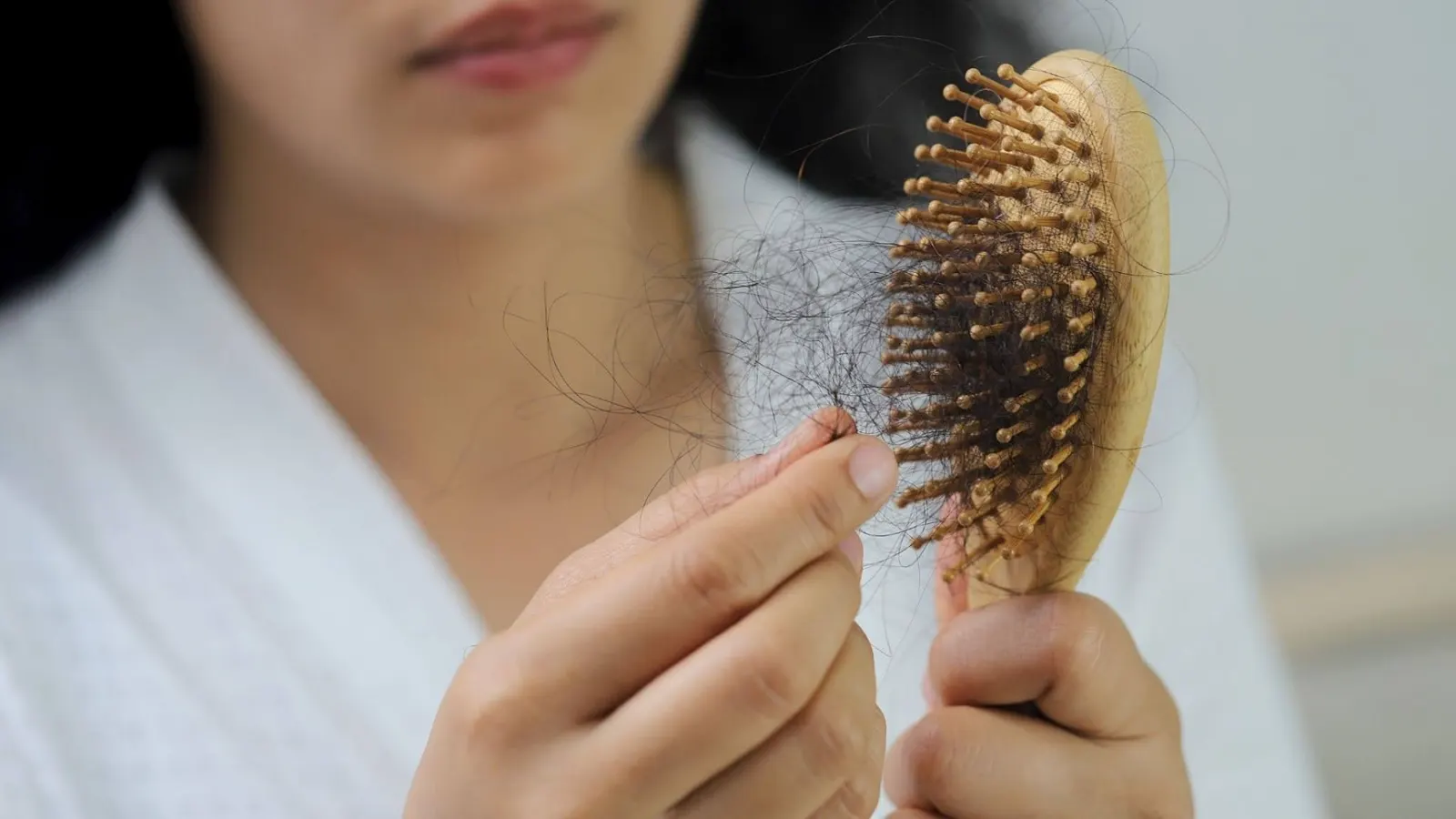
Search "foods for hair growth" and you'll find lists of biotin gummies, collagen powders, and hair-growth smoothies. Most of that marketing outpaces the evidence. Diet does affect hair, but mainly for people who have an actual nutrient deficiency — for everyone else, no food or supplement will out-perform genetics or hormones.
That distinction matters because the wrong assumption leads to the wrong fix. Supplementing a nutrient you're not actually short on rarely helps hair growth, and in a few cases can make things worse.
Here's what the research on diet and hair loss actually supports, and where it stops.
Diet Matters Most When There's a Real Deficiency
A widely cited 2017 review in Dermatology Practical & Conceptual on diet and nutrient deficiency's effect on hair loss found that correcting a documented deficiency helps, but there isn't strong evidence that supplementing beyond normal levels improves hair growth in people who aren't deficient.
That's the core finding worth remembering: diet is a lever for hair health only when something is actually missing. For most people eating a reasonably varied diet, that's not the case.
The Nutrients With Real Evidence Behind Them
A handful of nutrients have real evidence behind them when levels run low:
- Iron. Low iron stores, measured as ferritin, are one of the most consistently studied nutritional factors in diffuse hair loss, particularly in women of childbearing age.
- Protein. Hair is largely made of a protein called keratin. Prolonged inadequate protein intake — seen in crash diets or eating disorders — can push follicles into a resting phase and increase shedding.
- Zinc. A significant zinc deficiency can contribute to hair loss, though this is uncommon in people eating a varied diet.
- Vitamin D. Low vitamin D levels have been observed in some forms of hair loss, though evidence on whether supplementing improves regrowth remains mixed.
Each of these is a "check before you treat" nutrient, not a "take more just in case" one.
Biotin Is the Most Marketed, Least Evidence-Backed Supplement
Biotin shows up in nearly every hair-growth supplement on the market. According to the NIH Office of Dietary Supplements, true biotin deficiency is rare in the United States, since a typical diet already provides adequate amounts.
If biotin levels are already sufficient, adding more through a supplement has no established biological pathway to boost hair growth. Deficiency-driven biotin loss does exist, but it's rare, and it usually comes with other symptoms — brittle nails and a rash around the eyes and mouth — not hair thinning alone.
A Hair-Supportive Diet Looks Like a Normal, Balanced One
Absent a diagnosed deficiency, the most defensible approach is the boring one: a varied diet with adequate protein, iron-rich foods paired with a vitamin C source for better absorption, and a normal range of fruits, vegetables, and healthy fats. This isn't a hair-specific protocol — it's the same pattern recommended for general health, because hair follicles are simply one more tissue that benefits from not being nutrient-starved.
Crash diets and very restrictive eating patterns are the most common dietary trigger for temporary, diffuse shedding, since rapid caloric or protein restriction signals the body to conserve resources by shedding the resource-heavy business of growing hair. For patients who want to support regrowth while they correct the underlying issue, non-surgical hair restoration can run alongside a medical plan.
When Diet Isn't the Answer
If hair loss is genetic (female or male pattern hair loss) or hormonal, diet changes alone won't meaningfully change the outcome, no matter how well-executed. In those cases, diet is worth optimizing for general health, but the actual hair loss treatment lives elsewhere — topical or oral medication, or a procedure like FUE hair transplant for stabilized, pattern-based loss.
The clearest way to know which category applies is a conversation with a physician who can check for deficiencies and rule out, or confirm, a genetic or hormonal cause before recommending a plan.
Diet Is a Supporting Factor, Not a Cure
Diet is worth getting right, but it's a supporting factor, not a cure-all. The fastest way to know whether it's relevant to your hair loss is bloodwork, not a supplement aisle. Book a consultation to get a clear answer.
Frequently Asked Questions
Should I take a hair growth supplement even without a diagnosed deficiency?
There's little evidence it will help, and in some cases — like excess vitamin A or zinc — supplementing without a documented need can contribute to hair loss.
How long does it take diet changes to show results?
If a deficiency is the cause, most people see improvement within three to six months of correcting it, matching the natural hair growth cycle.
Can a vegan or vegetarian diet cause hair loss?
It can, if iron, zinc, or protein intake isn't adequate, but a well-planned plant-based diet can meet all of these needs.
Does drinking more water help hair growth?
General hydration supports overall health, but there's no evidence that increasing water intake beyond normal needs improves hair growth specifically.
Is it worth getting bloodwork before changing my diet for hair loss?
Yes. Bloodwork identifies whether there's an actual deficiency to correct, which is more useful than guessing.
Talk to a physician
Curious if you're a candidate?
Book a private consultation with Dr. Hernandez. $200 consultation deposit — credited to your treatment.
Related reading
More from our hair restoration insights
Telemedicine for Primary Care: What It's Good For, and What Still Needs an In-Person Visit
Telemedicine works well for some primary care visits and falls short for others. Here's what the research says…
The Annual Physical Exam: What the Evidence Says It's Good For
Most people assume a full annual physical catches everything. The research says something more specific — here…
Non-Surgical Hair Restoration: Sorting the Evidence From the Marketing
Minoxidil, PRP, laser therapy, finasteride — non-surgical hair restoration options don't all rest on the same …